Cabin noise is the constant companion of long-haul flight, and the headphone is the most effective instrument against it. Four models cover the serious options, from the luxury flagship to the audiophile's pick. No single winner is declared here; noise cancellation is use-case dependent and partly subjective.
The luxury flagship: Bang and Olufsen Beoplay H100
The Beoplay H100 starts at $2,200, $2,300 in Century Brown, on the official store. B and O describes it as its ultimate noise-cancelling headphone, with titanium drivers, Dolby Atmos optimization, and an included leather pouch. Published specifications list 40-millimetre titanium drivers, up to 32 hours of battery with Bluetooth and ANC active, Bluetooth 5.3, ten microphones, and USB-C wired listening up to 24-bit/96 kHz.
The Apple default: AirPods Max
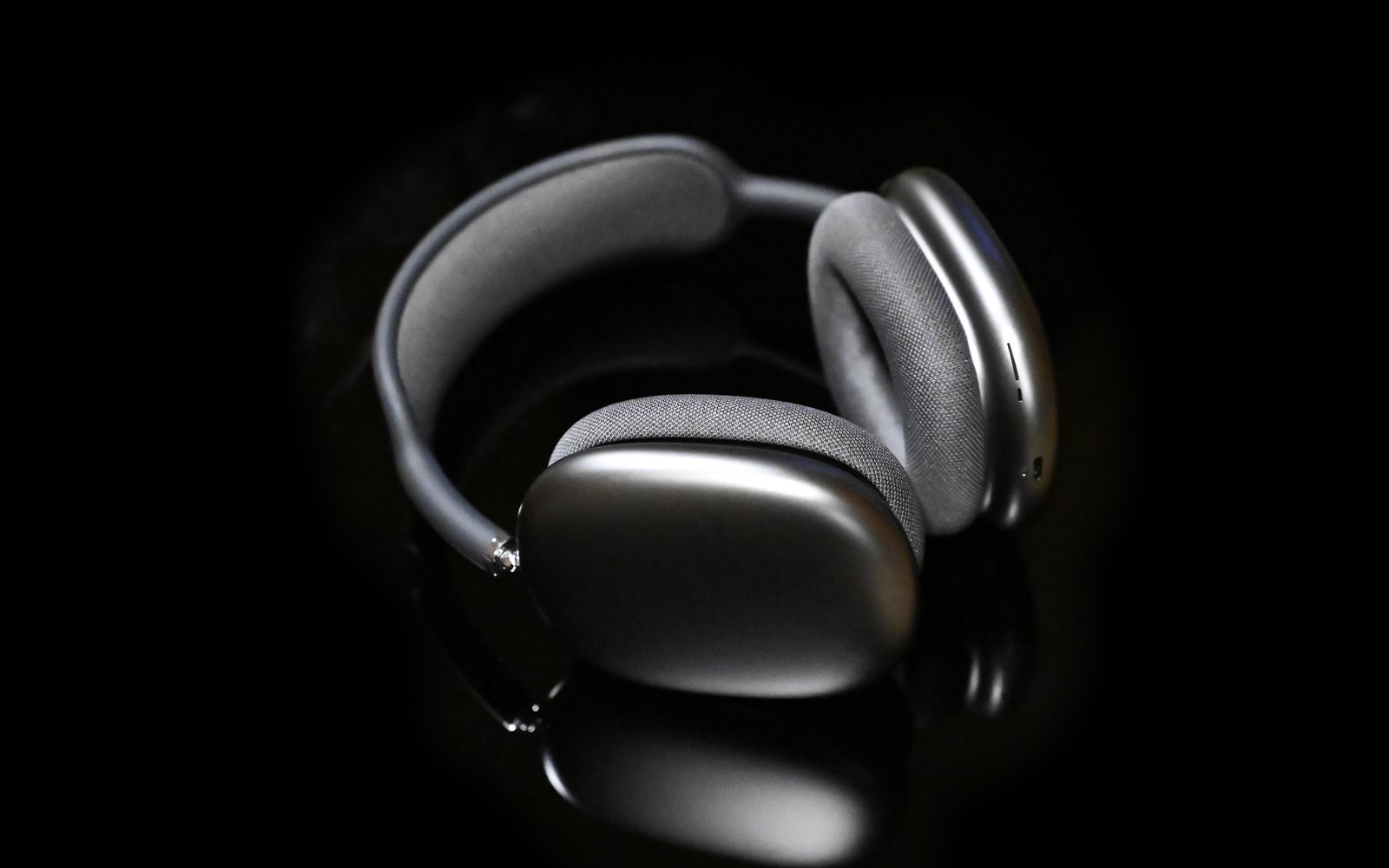
Apple's AirPods Max remain $549, with the current USB-C model supporting lossless audio over USB-C. They combine pro-level Active Noise Cancellation, Transparency mode, Personalized Spatial Audio with dynamic head tracking, and up to 20 hours of listening time. Reports of a 2026 refresh conflict, so only the verified current model's features are described here.
The noise-cancelling champion: Bose QuietComfort Ultra, 2nd Gen
The Bose QuietComfort Ultra Headphones, second generation, are $449. Bose specifies up to 30 hours of battery, 23 with Immersive Audio, 45 with ANC off, Bluetooth 5.4, aptX Adaptive, USB-C lossless wired playback, and ten microphones. Bose built its reputation on cancellation first and everything else second, and this model is that reputation's current form.
The audiophile's pick: Bowers and Wilkins Px8
Bowers and Wilkins lists the Px8 at $749 and the newer Px8 S2 at $799 on its US store. Both models use 40-millimetre carbon drivers with leather and aluminium construction and 30-hour playback; the S2 adds aptX Lossless Bluetooth. For the listener who ranks the driver above the algorithm, this is the shortlist's purist option.
Prices verified September 22, 2026. For the cabin, consider wired USB-C listening where supported: it bypasses Bluetooth compression entirely, and on a quiet aircraft the difference is audible.
Photography: SimonWaldherr, CC BY-SA 4.0, via Wikimedia Commons